What Families Must Focus On When Searching for Senior Care Near Me
Business Name: BeeHive Homes of Albuquerque West
Address: 6000 Whiteman Dr NW, Albuquerque, NM 87120
Phone: (505) 302-1919
BeeHive Homes of Albuquerque West
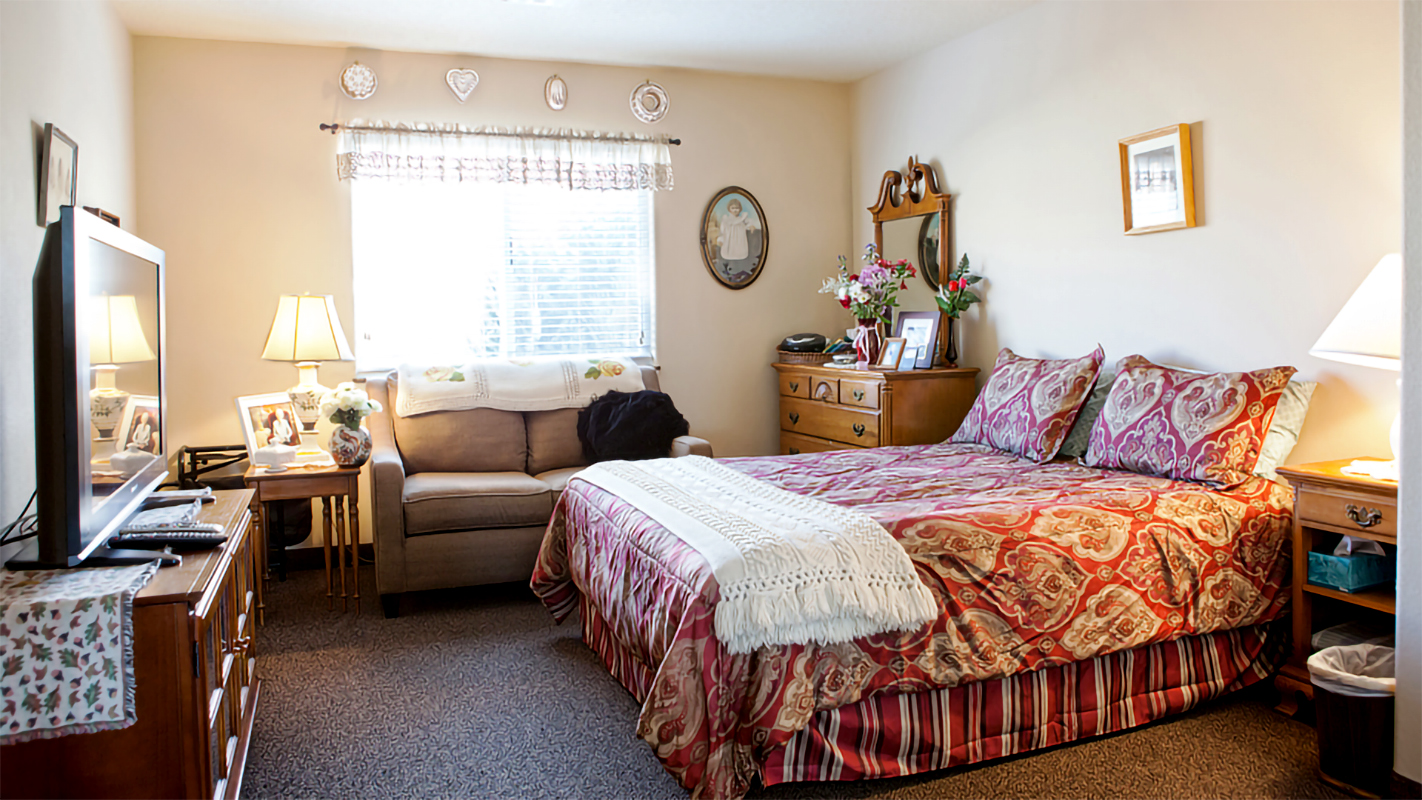
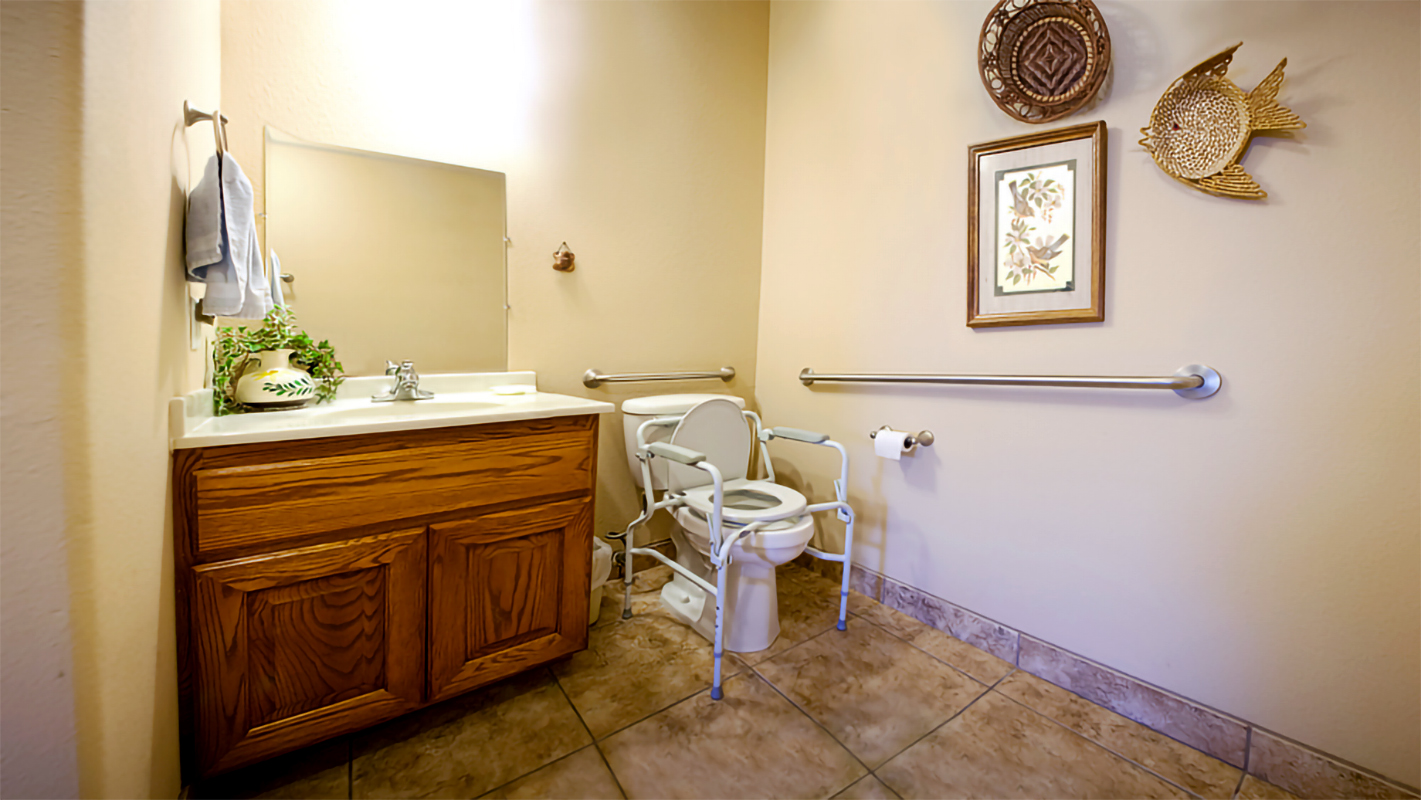
At BeeHive Homes of Albuquerque West, New Mexico, we provide exceptional assisted living in a warm, home-like environment. Residents enjoy private, spacious rooms with ADA-approved bathrooms, delicious home-cooked meals served three times daily, and the benefits of a small, close-knit community. Our compassionate staff offers personalized care and assistance with daily activities, always prioritizing dignity and well-being. With engaging activities that promote health and happiness, BeeHive Homes creates a place where residents truly feel at home. Schedule a tour today and experience the difference.
6000 Whiteman Dr NW, Albuquerque, NM 87120
Business Hours
Searching for senior care near me is rarely an easy job. It usually starts with a crisis, or at the very least a close phone call. A parent misses out on medications for a few days. A spouse begins dropping more often. A member of the family notices unopened mail, spoiled food, or a residence that has actually come to be harder to take care of than anyone wants to admit. By the time most family members start looking, they are currently stabilizing emotion, logistics, and time pressure. That mix can lead people to focus on the very first readily available option as opposed to the ideal one.
The toughest choices in senior care originated from reducing the procedure down simply enough to ask much better inquiries. Not every older adult requirements the same level of assistance, and not every family means the very same point when they say they desire "the very best place." Some are searching for light aid with meals and medication tips. Others require a setup that can deal with dementia, flexibility obstacles, or round-the-clock supervision. The ideal answer depends upon health and wellness, individuality, funds, and the sort of life the person still wants to live.
Start with the real care demands, not the advertising and marketing language
Many households start by comparing pamphlets, site images, and brightened tours of assisted living areas. Those points matter, but they need to follow a clearer picture of the person's daily requirements. A happy dining-room does not inform you whether the team can react quickly at 2 a.m. If someone is confused and trying to leave the structure. A modern apartment or condo does not inform you whether showering assistance is available when required or whether the staff has experience with dementia behaviors.
I have seen family members choose a beautiful neighborhood just to uncover later that it was an inadequate match since the resident needed extra support than the structure was made to give. The inequality was not constantly apparent in the beginning. One child informed me her mother seemed "great with the exception of a little forgetfulness," yet within two months it was clear the concern was not lapse of memory, it was drug mismanagement, missed out on meals, and regular nighttime disorientation. That family members had been looking for assisted living near me, yet what the mother actually required was a setup that can take care of a higher level of supervision.
Before touring anywhere, households must make a clear photo of the person's situation. That consists of clinical conditions, but it also includes functional truths. Can the person stand from a chair without aid? Can they use the washroom securely during the night? Are they eating sufficient? Are they driving when they should not be? These questions are not remarkable, however they are the ones that determine whether a person requires assisted living, memory care, respite care, or a different type of senior living altogether.
Pay focus to the level of assistance, not simply the name of the community
The senior care sector utilizes familiar tags, yet those labels can conceal significant differences. Assisted living, for example, can suggest a number of things depending upon the state, the structure, and the operator. Some neighborhoods give durable daily support. Others are much better matched to people who just need light help and are still relatively independent. That is why family members looking for assisted living or senior care near me should look past the group and ask what is actually included.
The exact same holds true for senior care more extensively. A facility may advertise "customized care" without saying the amount of caretakers are on task at night, just how quickly call lights are addressed, or whether personnel can aid with transfers. If your loved one requires help moving from bed to mobility device, that is not a small detail. It is the difference between an area that can genuinely fulfill their needs and one that will certainly struggle from day one.
This is where families frequently make their finest decisions by being really certain concerning life. Does the person need tips, or hands-on assistance? Are they independent besides housekeeping and meals, or do they require support with clothing, showering, and drug administration? If the person has dementia, how does the neighborhood deal with roaming, frustration, and changing regimens? Good senior living options will certainly not hurry those concerns. They will address them plainly.
Safety ought to be visible, not simply assumed
Safety in senior care is not just about emergency systems and secured doors. It lives in the small details. Hallways need to be well lit. Flooring needs to lower autumn risk. Restrooms ought to be created for real usage, not just eye-catching pictures. Staff needs to observe when someone's stride adjustments or when a resident suddenly starts missing dishes. These points are not extravagant, but they matter greater than refined typical areas.
Families seeing communities typically ask, "Is it safe?" That is a fair inquiry, but it is also wide to address well. A far better strategy is to observe how safety is built right into every day life. Are homeowners left waiting long periods for aid? Are walkers and wheelchairs positioned neatly or cluttering slim rooms? Do team show up hurried, or do they have time to greet residents by name and notice when something is off?
It is likewise worth asking how the area takes care of emergencies, falls, drug mistakes, and modifications in condition. An area with knowledgeable management should have the ability to clarify its treatments without appearing defensive. If personnel seem unclear or uncomfortable with these questions, that is itself useful information.
Look carefully at team quality and turnover
Families frequently concentrate greatly on the physical setup because it is the most convenient point to examine. Staffing is more challenging to see, but it usually matters much more. A stunning assisted living area with worn or regularly altering staff can feel unsteady extremely quickly. Locals see that instability long prior to family members do. So do the team member who stay.
Turnover is not constantly freely reviewed, but it ought to be. Ask how much time the executive supervisor has actually been there. Ask whether caregivers often tend to remain. Ask just how the neighborhood trains brand-new workers and the length of time it takes prior to somebody is working separately. A senior care atmosphere is improved relationships, and those connections are best when the group knows the residents all right to see subtle changes.
I when checked out an area where one assistant had serviced the very same hall for years. Locals trusted her because she bore in mind just how everyone liked their coffee, which resident became distressed prior to supper, and who needed a little added time in the early morning. That kind of connection does not show up in a shiny brochure, but it transforms everything concerning the resident experience. Families searching for senior living should value that connection as long as square video footage or upgraded finishes.
Match the environment to character as well as care needs
Two people with the very same medical profile might grow in really various settings. One might like a lively neighborhood with activities, music, and constant social interaction. Another might really feel overloaded because kind of place and do much better in a smaller, calmer atmosphere. The goal is not to locate the fanciest building. It is to find an area where the individual can clear up in without really feeling removed by the routine.
This matters specifically when households contrast senior care near me choices that appear comparable theoretically. One area might be excellent for active seniors who desire fitness classes, trips, and a lot of independence. An additional might be much better for residents who need more signs, more framework, or a much less stimulating environment. Neither is universally much better. The right fit relies on character, not just health.
Think regarding the person's history. Did they constantly enjoy being around individuals, or were they someone that valued personal privacy and quiet? Did they like structure, or did they end up being nervous when schedules were stiff? If a parent has actually invested a lifetime in a small home, a large school may really feel impersonal. If they have actually always delighted in social energy, a quieter environment may really feel lonely. Good senior care aspects personality as high as physical need.
Understand what household participation will truly look like
Many family members presume they will certainly stay very closely involved after the step, and they should. However the degree of participation can differ more than individuals anticipate. Some communities welcome regular household get in touch with and deal with relatives as partners in care. Others have clearer borders and even more official communication networks. Neither technique is automatically incorrect, but it should fit the family's expectations.

Ask how updates are beehivehomes.com respite care taken care of. If there is a modification in condition, who calls whom, and just how quickly? Can relative go to care planning meetings? Are there routine testimonials of medication, nutrition, and movement? If the resident has cognitive decrease, just how does the neighborhood communicate concerns without waiting for a crisis?
Families under tension commonly desire peace of mind that a person will maintain a close eye on things. That is affordable. Still, it assists to know what "close eye" means in practice. If a parent is staying in assisted living, family involvement may shift from day-to-day caregiving to advocacy, oversight, and companionship. That is a big adjustment, and it is easier to make when every person recognizes their role.
Use respite care as a test run when possible
Not every choice has to be long-term on the first day. Respite care can be a wise means to test whether a neighborhood truly fits. A brief stay gives households an opportunity to see how staff interact with homeowners, just how meals are managed, and whether the atmosphere supports dignity as well as safety. It likewise gives the older adult a possibility to experience the setup without the emotional stress of a lasting commitment.
Respite care can be particularly beneficial after a hospital remain, during a family caretaker's vacation, or while everybody is deciding between options. Occasionally a person who sounded certain they wanted one area adjustments their mind after in fact living there for a week. That is important info, not a setback.
For households handling fatigue, respite care can also reveal how much support is needed in your home. A time-out might show that the caretaker has been carrying more than anyone recognized. In those instances, the best senior care alternative is not just a comfort. It is a supporting pressure for the whole family.
Watch for transparency around prices and contracts
Cost is one of the hardest parts of the search due to the fact that the pricing structure can be complex. Base prices often cover area, dishes, and a specified set of services. Then there might be added fees for assistance with bathing, medication monitoring, memory care, transport, or additional aid at night. Families need to not count on a solitary number they saw online or listened to on the phone.
Ask for a written explanation of what is consisted of and what prices added. Ask how rates alter if care demands raise. Ask what takes place if the resident lack savings much faster than anticipated. These are not unpleasant inquiries. They are accountable concerns. Senior care is both a health and wellness decision and an economic one, and the economic side is worthy of the exact same analysis as the medical side.
Families sometimes discover that one area with a slightly greater base rate is really much more budget friendly when all care costs are included. One more place might look less expensive at first yet ends up being pricey once assist with day-to-day activities begins. That is why the genuine comparison should concentrate on total month-to-month expense, not simply the heading price.
Trust your monitorings throughout the visit
A tour can expose more than a sleek sales discussion ever will. Notice whether the structure really feels calm or stretched. Notification whether citizens look involved, tired, tidy, and comfy. Notification whether scents, noise, and pacing feel proper. A neighborhood serving elders need to really feel resided in, not staged.
It additionally aids to focus on just how personnel respond when you are not asking straight concerns. Do they welcome residents naturally? Do they see a person who requires assistance without being motivated? Do people seem to know each other? A warm ambience is not the same as excellent care, yet it often signifies a culture where residents are seen instead of processed.
Families looking for senior living are commonly told to "trust their intestine." That guidance is not always accurate, but there is reality in it. Sixth sense is commonly pattern acknowledgment built from small observations. If something feels off and you can not yet clarify why, keep asking inquiries up until you can.
The questions that typically expose the most
When households only have time for a few concentrated inquiries, the best ones usually punctured the sales language and get to day-to-day truths. A short discussion can tell you a good deal if you pay attention closely.
- What degree of everyday help is genuinely provided, and what requires an included fee?
- How does the community handle drops, unexpected ailment, or a resident who comes to be even more confused?
- What is the staff-to-resident strategy during nights and over night hours?
- How does the neighborhood interact with households when care requires change?
- Can the setting support this person for the following 6 to one year, not simply today?
These inquiries are not about capturing anybody out. They are about clearness. An area that answers well is usually a community that understands its very own strengths and limits.
Good senior care secures self-respect, not just physical needs
Families usually begin the search thinking about safety, clinical assistance, and convenience. Those are vital. Yet the best senior care does something much deeper. It secures self-respect. It lets a person maintain small regimens that still matter, whether that suggests having coffee the same way every early morning, picking when to bath, or sitting with an acquainted publication in a peaceful corner after lunch.
That sort of self-respect can be lost when care comes to be as well hurried, also standardized, or as well separated from the individual's actual life. It can additionally be preserved by personnel who understand how to provide aid without taking control of whatever. The right assisted living atmosphere strikes that balance. The resident needs to really feel supported, not managed.
Families looking for senior care near me sometimes feel stress to find the "ideal" place. That standard can end up being impractical. A far better goal is to find the safest, most humane, and a lot of sustainable suit offered. A place that can handle today's needs, adapt when those needs expand, and respect the person behind the diagnosis.
The search is seldom very easy, but careful choices do make a distinction. When family members focus on real care, staffing, safety, openness, and fit, they are even more most likely to arrive at a setup that supports both the older adult and the people that like them. That is what great senior care ought to do.
BeeHive Homes of Albuquerque West provides assisted living care
BeeHive Homes of Albuquerque West provides memory care services
BeeHive Homes of Albuquerque West provides respite care services
BeeHive Homes of Albuquerque West offers support from professional caregivers
BeeHive Homes of Albuquerque West offers private bedrooms with private bathrooms
BeeHive Homes of Albuquerque West provides medication monitoring and documentation
BeeHive Homes of Albuquerque West serves dietitian-approved meals
BeeHive Homes of Albuquerque West provides housekeeping services
BeeHive Homes of Albuquerque West provides laundry services
BeeHive Homes of Albuquerque West offers community dining and social engagement activities
BeeHive Homes of Albuquerque West features life enrichment activities
BeeHive Homes of Albuquerque West supports personal care assistance during meals and daily routines
BeeHive Homes of Albuquerque West promotes frequent physical and mental exercise opportunities
BeeHive Homes of Albuquerque West provides a home-like residential environment
BeeHive Homes of Albuquerque West creates customized care plans as residents’ needs change
BeeHive Homes of Albuquerque West assesses individual resident care needs
BeeHive Homes of Albuquerque West accepts private pay and long-term care insurance
BeeHive Homes of Albuquerque West assists qualified veterans with Aid and Attendance benefits
BeeHive Homes of Albuquerque West encourages meaningful resident-to-staff relationships
BeeHive Homes of Albuquerque West delivers compassionate, attentive senior care focused on dignity and comfort
BeeHive Homes of Albuquerque West has a phone number of (505) 302-1919
BeeHive Homes of Albuquerque West has an address of 6000 Whiteman Dr NW, Albuquerque, NM 87120
BeeHive Homes of Albuquerque West has a website https://beehivehomes.com/locations/albuquerque-west/
BeeHive Homes of Albuquerque West has Google Maps listing https://maps.app.goo.gl/R1bEL8jYMtgheUH96
BeeHive Homes of Albuquerque West has Facebook page https://www.facebook.com/BeehiveABQW/
BeeHive Homes of Albuquerque West won Top Assisted Living Homes 2025
BeeHive Homes of Albuquerque West earned Best Customer Service Award 2024
BeeHive Homes of Albuquerque West placed 1st for Senior Living Communities 2025
People Also Ask about BeeHive Homes of Albuquerque West
What is BeeHive Homes of Albuquerque West monthly room rate?
Our base rate is $6,900 per month, but the rate each resident pays depends on the level of care that is needed. We do an initial evaluation for each potential resident to determine the level of care needed. The monthly rate is based on this evaluation. We also charge a one-time community fee of $2,000.
Can residents stay in BeeHive Homes of Albuquerque West until the end of their life?
Usually yes. There are exceptions, such as when there are safety issues with the resident, or they need 24 hour skilled nursing services.
Does Medicare or Medicaid pay for a stay at Bee Hive Homes?
Medicare pays for hospital and nursing home stays, but does not pay for assisted living as a covered benefit. Some assisted living facilities are Medicaid providers but we are not. We do accept private pay, long-term care insurance, and we can assist qualified Veterans with approval for the Aid and Attendance program.
Do we have a nurse on staff?
We do have a nurse on contract who is available as a resource to our staff but our residents' needs do not require a nurse on-site. We always have trained caregivers in the home and awake around the clock.
Do we allow pets at Bee Hive?
Yes, we allow small pets as long as the resident is able to care for them. State regulations require that we have evidence of current immunizations for any required shots.
Do we have a pharmacy that fills prescriptions?
We do have a relationship with an excellent pharmacy that is able to deliver to us and packages most medications in punch-cards, which improves storage and safety. We can work with any pharmacy you choose but do highly recommend our institutional pharmacy partner.
Do we offer medication administration?
Our caregivers are trained in assisting with medication administration. They assist the residents in getting the right medications at the right times, and we store all medications securely. In some situations we can assist a diabetic resident to self-administer insulin injections. We also have the services of a pharmacist for regular medication reviews to ensure our residents are getting the most appropriate medications for their needs.
Where is BeeHive Homes of Albuquerque West located?
BeeHive Homes of Albuquerque West is conveniently located at 6000 Whiteman Dr NW, Albuquerque, NM 87120. You can easily find directions on Google Maps or call at (505) 302-1919 Monday through Sunday 10am to 7pm
How can I contact BeeHive Homes of Albuquerque West?
You can contact BeeHive Homes of Albuquerque West by phone at: (505) 302-1919, visit their website at https://beehivehomes.com/locations/albuquerque-west, or connect on social media via Facebook
Visiting the Taylor Ranch Library Park provides accessible green space ideal for assisted living and senior care outings that support elderly care routines and respite care activities.